
Country
Profiles
Country
Networks
Country
Associations

- Date
New Clam Depuration System by WA Shellfish Hub to Improve Seafood Safety
By WA Shellfish Hub
The West Africa Shellfish Knowledge and Outreach Hub at the Centre for Coastal Management, University of Cape Coast, has successfully designed, constructed and installed a clam depuration system at Big Ada, to aid rapid purging of silt from clams and improve health and safety of clam consumption in Ghana.
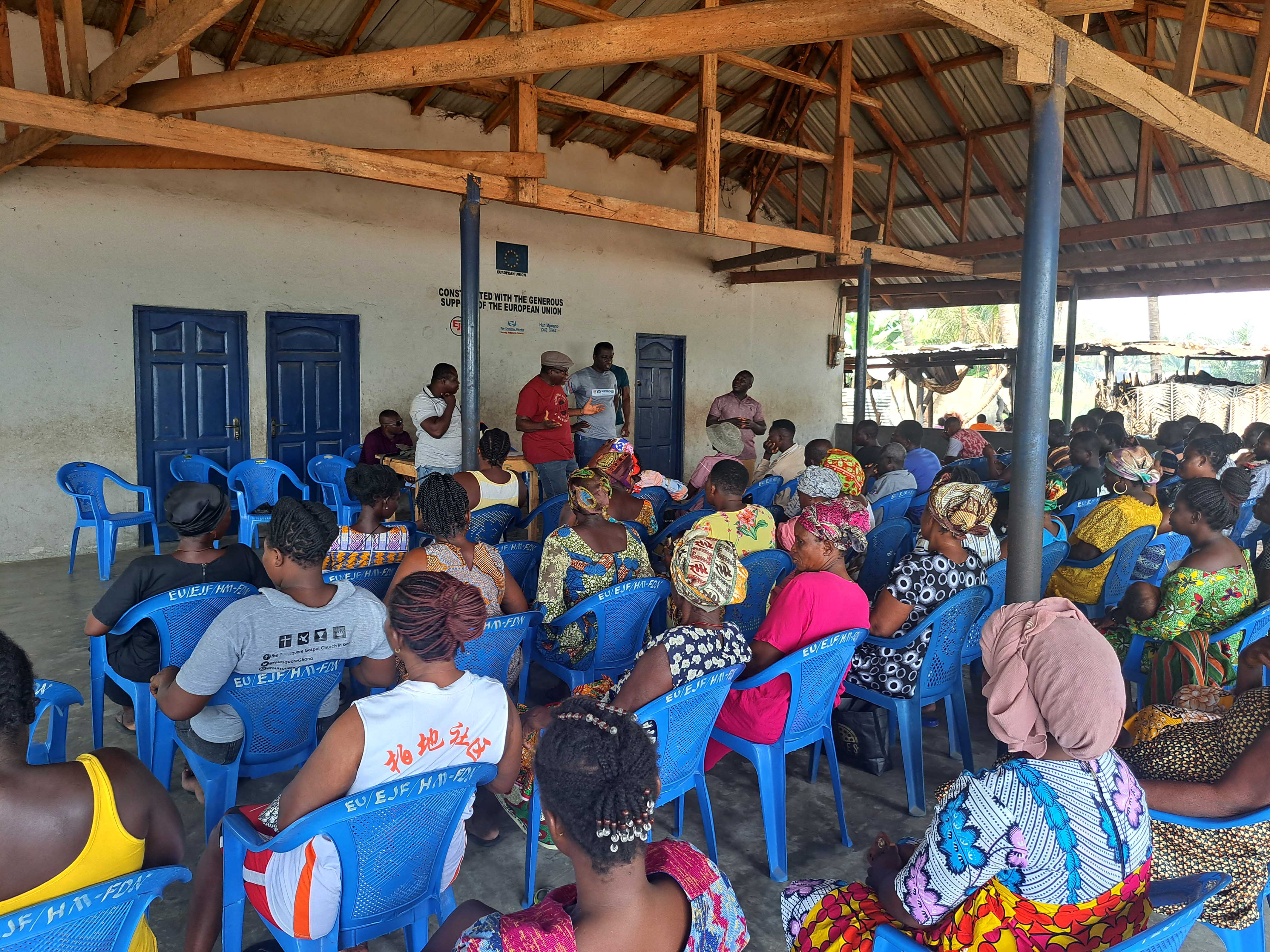
This initiative, commissioned by Hen Mpoano through the Sustainable Oceans Project (led by the Environmental Justice Foundation), forms part of a broader co-management strategy aimed at promoting sustainable Volta Clam harvesting, ensuring food safety, and safeguarding the centuries-old livelihoods of local communities through resilient ocean economy. To achieve this innovation, the Shellfish Hub mobilised a multidisciplinary team comprising embedded systems engineer, recirculating aquaculture system (RAS) experts, and bivalve biologists and ecologists to conceptualise a practical and cost-effective design, built with locally-available materials. The team visited the site to assess the local context and engaged directly with the co-management committee of the clam harvesters and processors to incorporate their inputs.
Designed with FAO’s principles and guidelines for depuration systems, this system is West Africa’s first locally-adapted bivalve depuration system, tailored to solving the Volta clam industry’s challenge of cleaning sand and microbial contaminants from the clam meat before processing. Components of the system include water storage tank, pump for water intake and recirculation, filtration and sterilisation units, depuration tanks, and a sump. Built primarily from locally sourced materials, the system is designed for easy disassembly for routine maintenance or in the event of flooding.
Following a successful test run, the clam harvesters and processors have examined and confirmed its efficiency and effectiveness in removing sand from the clam. This provides a significant improvement over the traditional purging of sand from the clams by the women clam processors, usually carried out by keeping the clams in the volta river or in buckets and trays after harvesting, which is not efficient in completely removing the sand, and does not clean up microbes.
This innovative output marks a significant milestone in enhancing food safety standards, resilient community livelihoods, and importantly demonstrates how collaboration between science and research, civil society organizations and development partners can drive community solutions towards sustainable fisheries management in West Africa.